Where the name comes from, who we are, and what drives us.
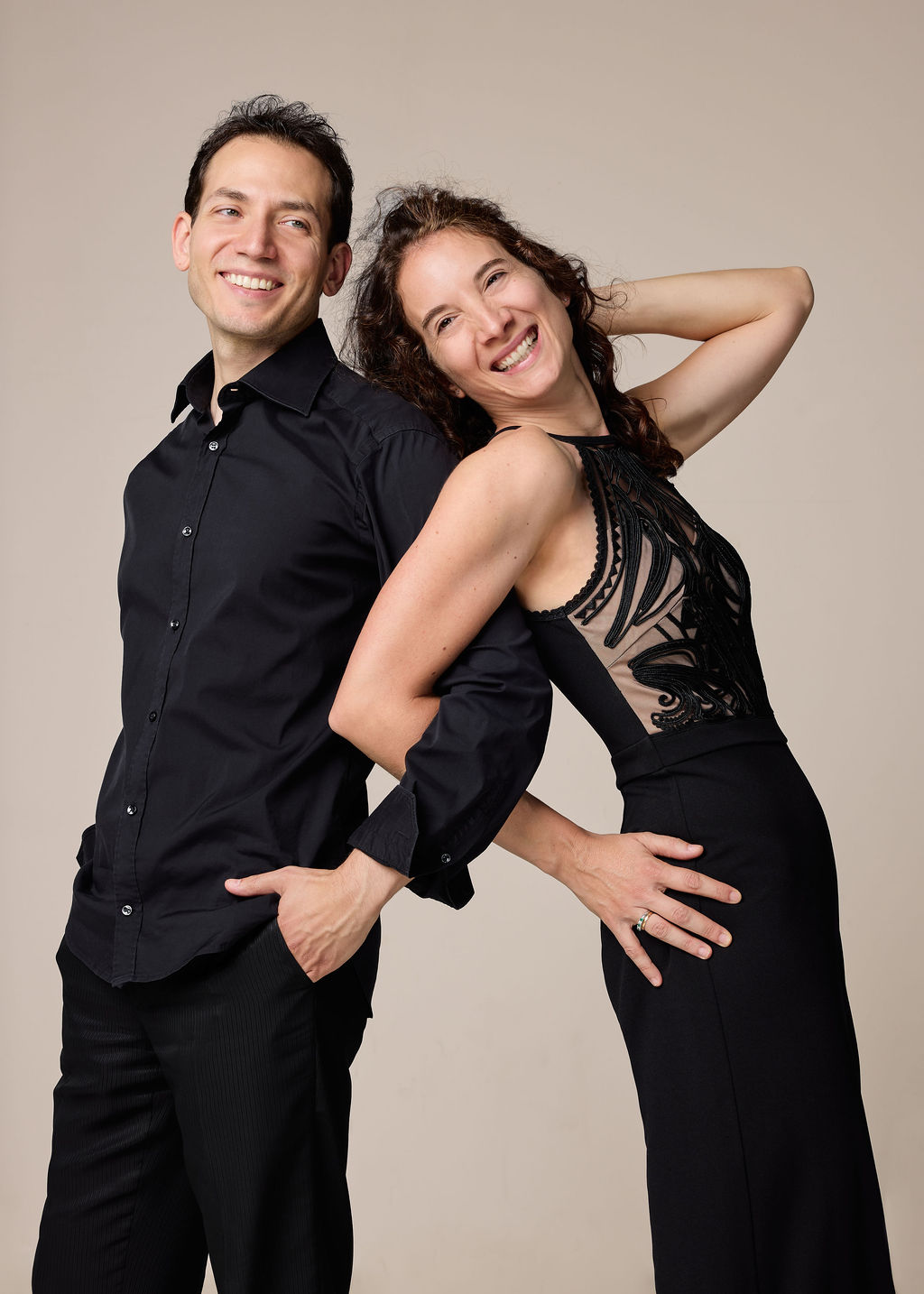
Taru Ensemble is an internationally staffed chamber music ensemble based in Basel. Its musicians bring different cultural backgrounds, languages and musical traditions with them – they come from Finland, Switzerland, Venezuela and Italy, and met after their studies in their respective home countries at the Music Academy Basel, where they began making music together in various chamber music formations.
The name “Taru” means “to gather” in Hausa – the lingua franca of much of West Africa. This coming-together lies at the heart of the ensemble's work: connecting people through music and making cultural diversity visible. In Finnish, “taru” also carries the meaning “legend” or “tale” – fitting too, since every musical work tells a story in its own way, of love, war, melancholy or terror.
Alongside artistic excellence, the ensemble places particular value on social relevance and cultural participation. Each season, Taru Ensemble puts together several concert programmes with changing line-ups – each built around its own theme: a composer, an anniversary, a literary subject, an artistic movement, the portrait of a human emotion. In this way, bridges are built between different cultures, generations and worlds.
The ensemble takes particular pleasure in bringing music to places where it is rarely heard – for instance, playing voluntarily in retirement and care homes. Taru Ensemble is equally glad to pass on its experience to the next generation of musicians, offering voluntary chamber music workshops for pupils at selected music schools. For the musicians, this is far more than a commitment – it is one of the most rewarding ways of living music: sharing it with others and giving something back to the society that supports it.
With the concert series “Vox Mundi”, Taru Ensemble presents four curated chamber music programmes in the 2026/27 season, bringing different musical traditions into relation with one another. At their centre are works from different geographic, cultural and historical contexts, deliberately programmed to enter into dialogue with each other.
The programmes travel through different regions of the world – from Scandinavia and Latin America, through Central Europe, to Africa and Asia. In doing so, they connect music from different eras and styles and open up a wide range of perspectives on questions of origin, memory and change. Each concert is devoted to its own thematic focus, illuminating a specific aspect of cultural imprint and musical expression.
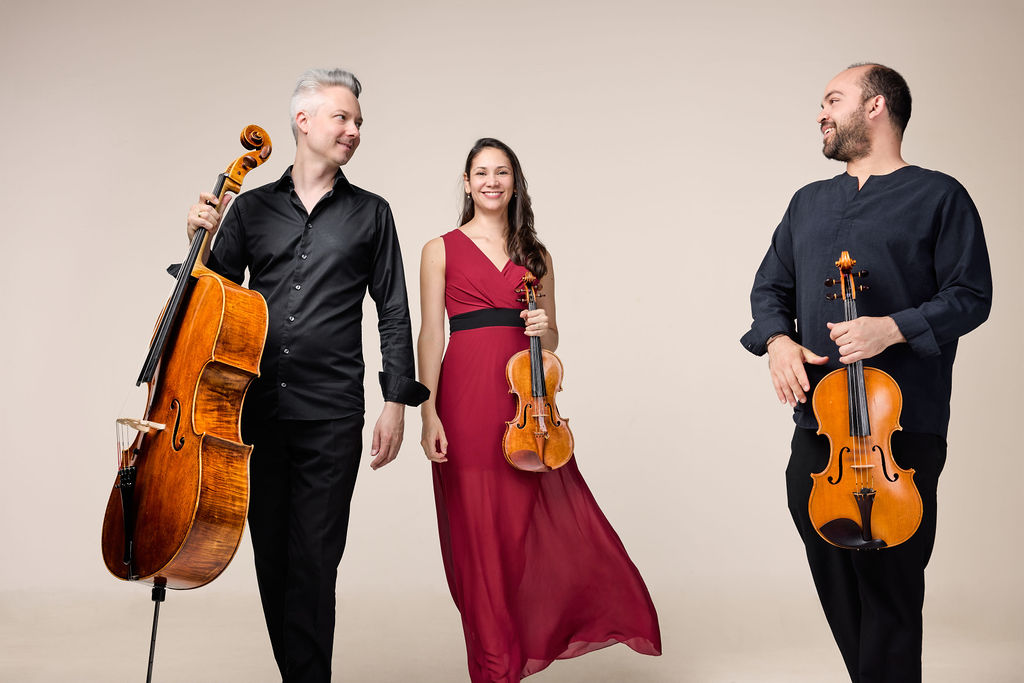
Connects Nordic and Latin American sound worlds, setting contrasting geographic spaces against each other.
Focuses on two contrasting aesthetic stances – the meditative sound world of Pēteris Vasks and the romantic intensity of Johannes Brahms.
Explores Switzerland as a cultural crossroads between tradition and contemporary development.
Brings together works from Africa and Asia, engaging with questions of identity, memory and migration.